Career Burnout Therapy

Burnout happens when the demands on you keep outpacing what you have to give. Maybe it's a heavy workload, a job that doesn't match your values, a boss who never lets up, or the steady pressure to be "on" all the time. Over time, it wears you down.
But it isn't always just about the job. For many people, the pressure also comes from within. Maybe you learned early that being helpful, capable, or impressive was how you earned your place. Maybe working hard is how you feel liked, valued, or like you belong. These patterns often start as strengths, and they can take you far and be worth celebrating, but when your sense of worth depends on how much you give, it becomes very hard to slow down - even when your body and mind are asking you to.
Some stress is a normal part of any job. Burnout is different. It's the kind of exhaustion a weekend off doesn't fix. It can show up in your sleep, your body, your mood, and your relationships, and it often follows you home.
Burnout looks different for everyone, but here are some of the ways we see it most often at Self Space.
Running on Empty
This is the classic picture of burnout. You're depleted, and it's getting harder to care about work you once found meaningful. You might notice:
Feeling tired no matter how much you rest
Dreading the workweek, with Sunday scaries that last all week
Feeling numb, cynical, or checked out at work
Trouble focusing or remembering things
Headaches, stomach issues, or getting sick more often
Sleep that doesn't feel restful
For many people, burnout grows out of their strengths. If you're driven, reliable, and the person everyone counts on, it can be hard to notice when you've crossed the line. You might notice:
Struggling to switch off after work, even on vacation
Feeling like your worth is tied to how much you get done
Holding yourself to standards that feel impossible to meet
Saying yes when you want to say no
Guilt or restlessness when you're not being productive
Healthcare workers, teachers, therapists, parents, and anyone who spends their days caring for others can hit a particular kind of wall. When you're always giving, there's often little left for yourself. You might notice:
Feeling emotionally drained after time with the people you care for
Less patience or compassion than you used to have
Carrying other people's stress home with you
Feeling like your own needs always come last
Wondering how long you can keep doing this
Sometimes burnout is a sign that something bigger needs to change. You may be questioning your path, feeling out of step with your values, or wondering who you are outside of your job. You might notice:
Feeling trapped in a job or career that no longer fits
Losing touch with friends, hobbies, or parts of yourself outside of work
Tension at home because work takes up so much space
Uncertainty about whether to stay, leave, or change direction
A sense that you've been going through the motions
Burnout is always a signal worth listening to. It's often telling you that something needs to change. It might be your environment, but it also might be your inner relationship to work. Whether you're starting to feel worn down or you're already running on fumes, our team is here to help you slow down, understand what's driving the exhaustion, and build a work life that actually works for you and is life-giving.
Elise is a counseling intern currently completing her Master’s degree in Clinical Mental Health Counseling at Seattle University. As a Korean immigrant who has lived between cultures, Elise brings warmth and cultural sensitivity to her work with clients navigating burnout, life transitions, grief, and identity questions.
Susan works with caregivers and individuals struggling in the process of life transitions. She invites clients to look inward with curiosity and compassion, and works collaboratively with clients as they bring their actions and choices into alignment with their personal values.
Mohamed works with individuals dealing with trauma, anxiety, depression, loss of religion/culture, loss of a relationship, yearning for meaning and purpose, and feelings of being stuck or unfulfilled. As a meaning-based therapist, he will emphasize your agency and empowerment, helping you utilize your strengths to align your life with your values.
Lauren views her clients as resilient, unique individuals who can simultaneously honor and shift their life experiences. Lauren works with individuals and couples experiencing anxiety, depression, grief, loss, infertility, postpartum challenges, career and life transitions, and a desire for change in their life.
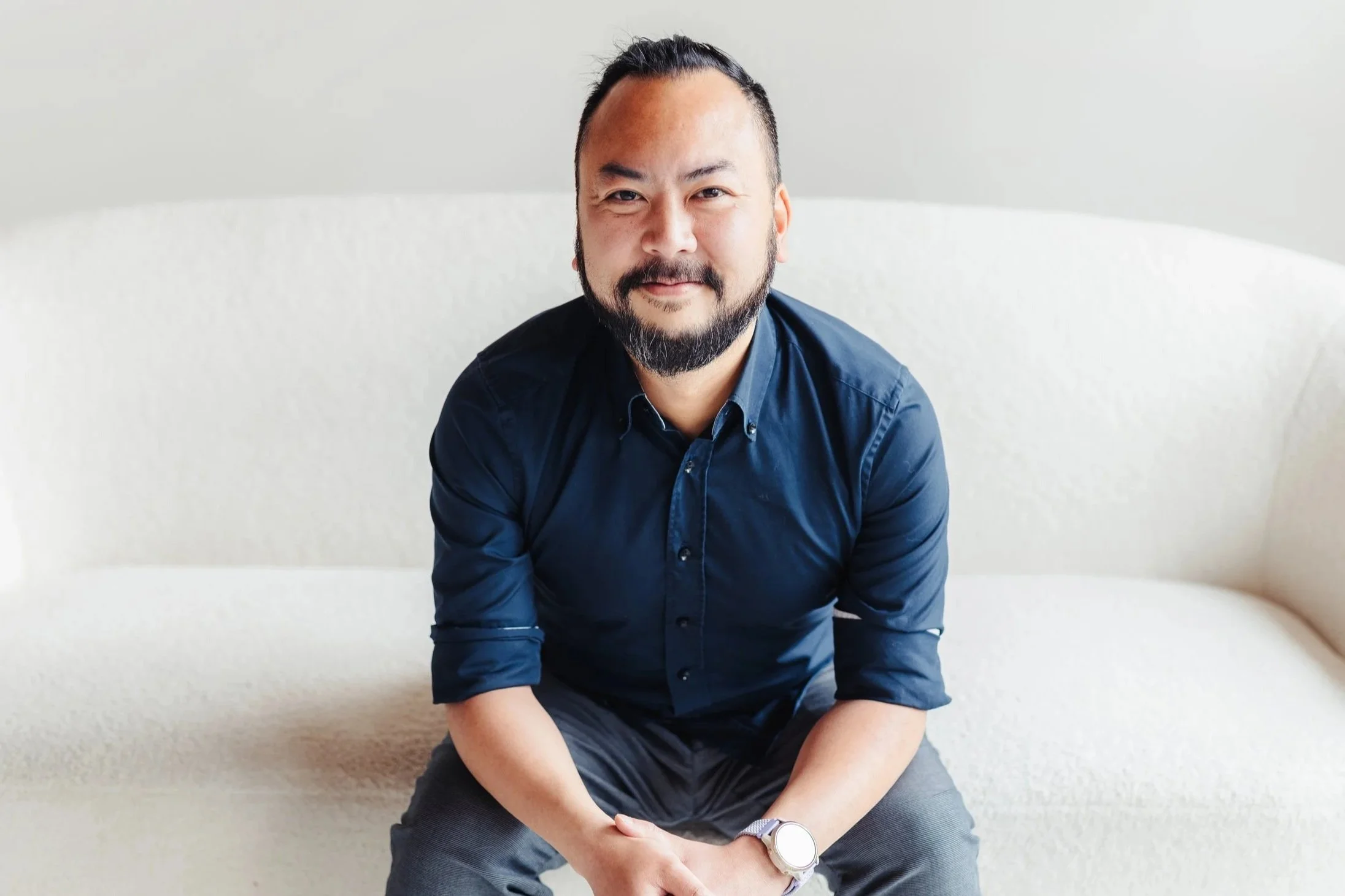
Brian supports individual adults who find themselves wondering who they are outside of their productivity or performance. He specializes in treating career exhaustion, anxiety, depression, and the intersecting pressures of parenting and living multiculturally. Through a collaborative lens, Brian helps clients slow down, clarify what actually matters to them, and take steps toward meaningful, sustainable change.
I work with adults navigating stress, change, identity questions, and the feeling that something in their life is not quite lining up. I have a particular interest in working with people in fast-paced, high-stress environments, as well as parents raising neurodivergent kids with more complex emotional needs.
I believe strongly in each person's power to expand their self-knowledge, break through stagnation, and access new experiences of themselves and others - writing their stories in new ways while staying fully authentic to who they are. I genuinely enjoy the unique journey I take with each client in finding their own internal strengths and sense of resonance in life.
Therapy with me is deeply relational. I show up as a real person: curious, warm, and willing to go to the hard places with you. The approach draws on Emotionally Focused Therapy, mindfulness-based practices, and narrative therapy. The focus is never only on what feels broken - your innate resilience and what's already working matter too.
Dan works with individuals and couples who are experiencing anxiety, depression, and ambiguity or apathy in decision-making or roadblocks in intimacy. He has a particular interest in grief and loss, high-functioning anxiety, perfectionism, and men’s issues and masculinity.
Gabe helps individuals and couples better understand themselves and their relationships in order to cultivate a more intentional life. He enjoys working with a diverse range of clients, but mostly adults navigating depression, anxiety, perfectionism, burnout, and life transitions.
Sadie supports adults and adolescents who are experiencing anxiety, life transitions, depression, trauma and PTSD, grief and loss, aging, chronic pain, and women’s issues. She helps people orient towards their body’s innate wisdom and find more connection, bridging the gap between the body and the mind.
Nicole works with children, teens, adults, and families who are experiencing anxiety, depression, life transitions, interpersonal challenges, grief and loss, trauma, and women's issues. She enjoys helping individuals understand themselves better and navigate life with more compassion and empowerment.
Tychelle works with individuals and couples who are looking to explore who they are and how they can make sense of the world around them more clearly. Folks who may be experiencing anxiety and depression, or even trying to figure out if that is what they should call it. In my work with couples I look to support and facilitate health communication and individual and collective understanding.
Amisha works with individuals, couples, families and adolescents to address life's challenges. She specializes in relational issues, self-esteem, and has a passion for working with women of color. She also works with those struggling with anxiety, depression and issues arising from divorce and other relational challenges.
Therapy is a space for self-exploration, healing, and growth, and Becca works collaboratively to help you uncover new perspectives and move toward the life you want. Becca specializes in working with individuals looking to address attachment wounds, to enhance communication with loved ones, and address anxiety, depression and trauma symptoms, tailoring therapy to your unique needs.
Emily has experience serving kids, teens, and adults through grief and loss, trauma, and major life transitions, including menopause, empty-nesting, and career changes. She particularly enjoys supporting people who might identify as “late bloomers” and are exploring the deeper life questions about purpose, meaning, and choice.
Erin specializes in working with people who feel stuck in negative beliefs about themselves, live with high levels of shame, or have experienced abuse. Erin believes that whatever suffering you experience is valid, and there is no expiration date to start the healing process.
Kristen sees her clients as experts on their own lives and writers of their own stories. She has experience working with people who are experiencing anxiety, depression, life transitions, aging, grief and loss, eating disorders, trauma, and women’s issues.
Rachel works with women who experience high anxiety and panic attacks, have a history of trauma or neglect, and feel disconnected from their bodies. She believes in a Body + Brain approach to healing, informed by neuroscience.