
Trauma
Trauma can be described as a profound disruption in the body and mind's ability to regulate and process overwhelming experiences. Trauma is not limited to singular catastrophic events but can result from ongoing, pervasive stressors as well. The impact of trauma can reverberate through a person's life, affecting their mental and physical health, their ability to function in daily life, and their capacity for resilience and healing.
Trauma has the power to disrupt not only an individual's psychological well-being but also their physical health, relationships, and overall quality of life. It can manifest in various ways, from debilitating symptoms such as flashbacks, nightmares, and severe anxiety to more subtle effects like chronic stress, emotional numbing, and a pervasive sense of insecurity. Trauma can erode one's capacity to trust, both in oneself and in others, making it challenging to form healthy relationships and maintain a sense of safety in the world. It often leaves a lasting imprint on a person's identity, self-esteem, and worldview, shaping their choices, behaviors, and responses to future stressors.
Trauma can result from various experiences, including but not limited to:
Physical or sexual abuse: Such as assault, rape, or domestic violence.
Accidents and injuries: Involving life-threatening or severely injurious incidents that happen to you, or that you witness
Natural disasters: Like hurricanes, earthquakes, or floods.
Loss and grief: The death of a loved one or other significant losses.
Combat and warfare: For military personnel and civilians in war zones.
Childhood neglect: Experiencing inadequate care, emotional neglect, or abandonment during childhood.
Witnessing violence: Even if not directly involved, witnessing violent events can be traumatizing.
Chronic stress and adversity: Prolonged exposure to ongoing stressors, such as living in a high-crime neighborhood or enduring ongoing discrimination.
Therapy plays a crucial role in helping individuals heal from trauma.
Therapy offers a safe and supportive space where trauma survivors can begin to address the profound dysregulation that trauma has caused in their lives. Here's how therapy can help:
Safety and Trust: Therapy provides a secure environment where individuals can learn to trust their therapists and themselves. Reestablishing a sense of safety is essential for trauma survivors, as many have lost trust in their own bodies and in the world around them.
Emotional Regulation: Trauma often leads to difficulties in regulating emotions. Therapy equips individuals with tools and strategies to manage intense emotional states, helping them regain control over their reactions.
Body-Centered Approaches: Trauma informed care emphasizes the importance of body-centered therapies like Somatic Experiencing or EMDR. These approaches help individuals reconnect with their bodies, release physical tension, and process the somatic aspects of trauma.
Narrative Processing: Therapy allows individuals to gradually make sense of their traumatic experiences by constructing a coherent narrative. This process can help reduce the fragmentation of memories and the distressing, intrusive thoughts associated with trauma.
Attachment Repair: Many trauma survivors have experienced disruptions in their early attachments. Therapy can provide an opportunity to develop healthier attachment patterns and repair relational wounds.
Integration and Empowerment: Through therapy, individuals can integrate their fragmented selves and regain a sense of agency and empowerment over their lives. This is a crucial step in reclaiming a sense of self and identity.
Community and Connection: Group therapy or support groups can help trauma survivors connect with others who have had similar experiences, reducing feelings of isolation and shame.
Trauma recovery is a complex, multi-dimensional process that involves the mind, body, and spirit. Therapy, when conducted with a trauma-informed approach, can provide the tools and support necessary for individuals to embark on a journey of healing and ultimately reclaim their lives from the overwhelming impacts of trauma. It is possible to feel safe, connected, and whole.
Trauma Therapists

Susan works with caregivers and individuals struggling in the process of life transitions. She invites clients to look inward with curiosity and compassion, and works collaboratively with clients as they bring their actions and choices into alignment with their personal values.

Mohamed works with individuals dealing with trauma, anxiety, depression, loss of religion/culture, loss of a relationship, yearning for meaning and purpose, and feelings of being stuck or unfulfilled. As a meaning-based therapist, he will emphasize your agency and empowerment, helping you utilize your strengths to align your life with your values.

Lauren views her clients as resilient, unique individuals who can simultaneously honor and shift their life experiences. Lauren works with individuals and couples experiencing anxiety, depression, grief, loss, infertility, postpartum challenges, career and life transitions, and a desire for change in their life.
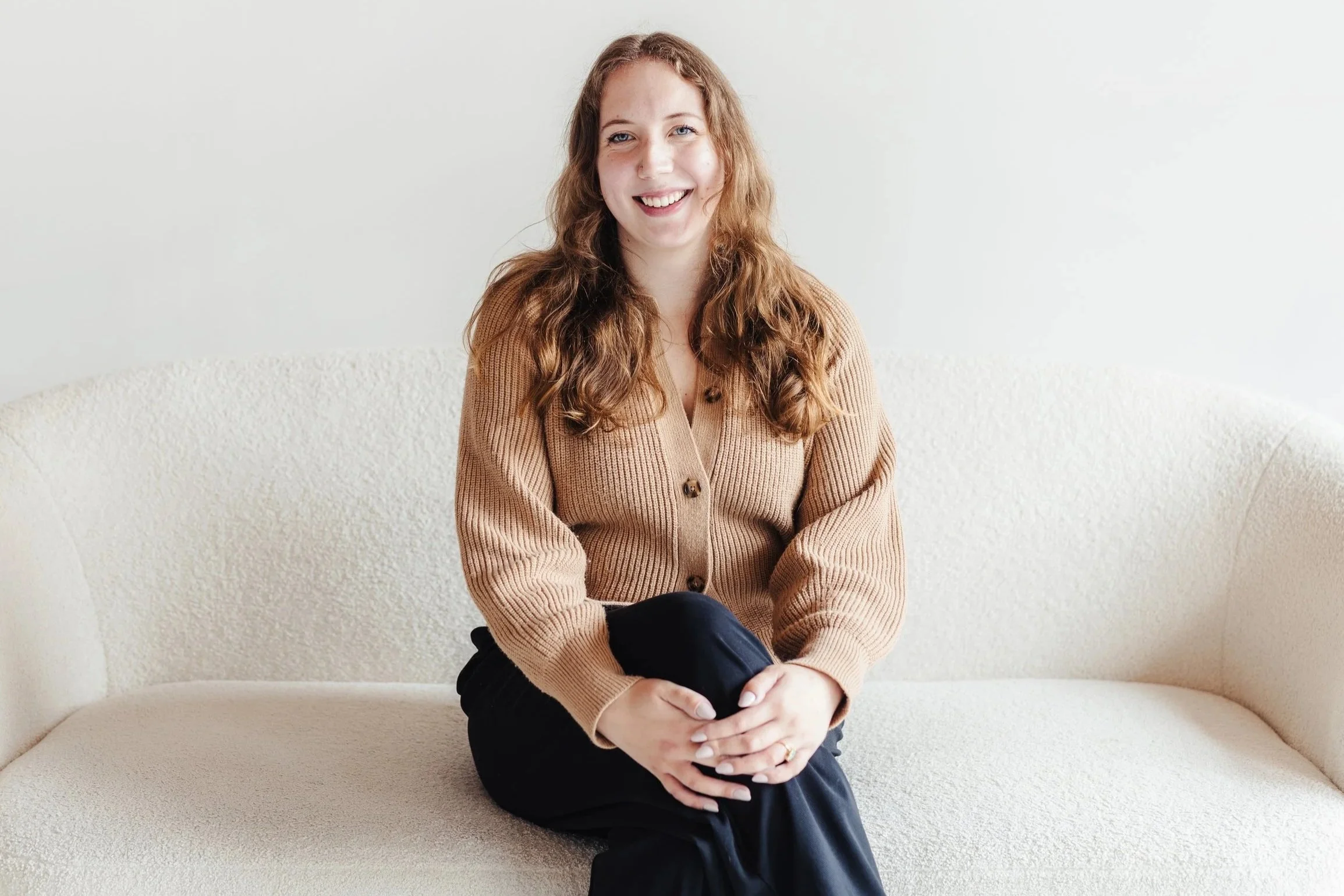
Therapy here is a relational, judgment-free space where all of it can surface: the anxiety, the grief, the pressure you put on yourself, the moments you're not proud of. Together we'll work on new ways of approaching life and relationships, building the kind of self-understanding that doesn't just reduce distress now but bears fruit for years to come: more ease within yourself, more closeness in your relationships, and clearer movement toward what you actually want.
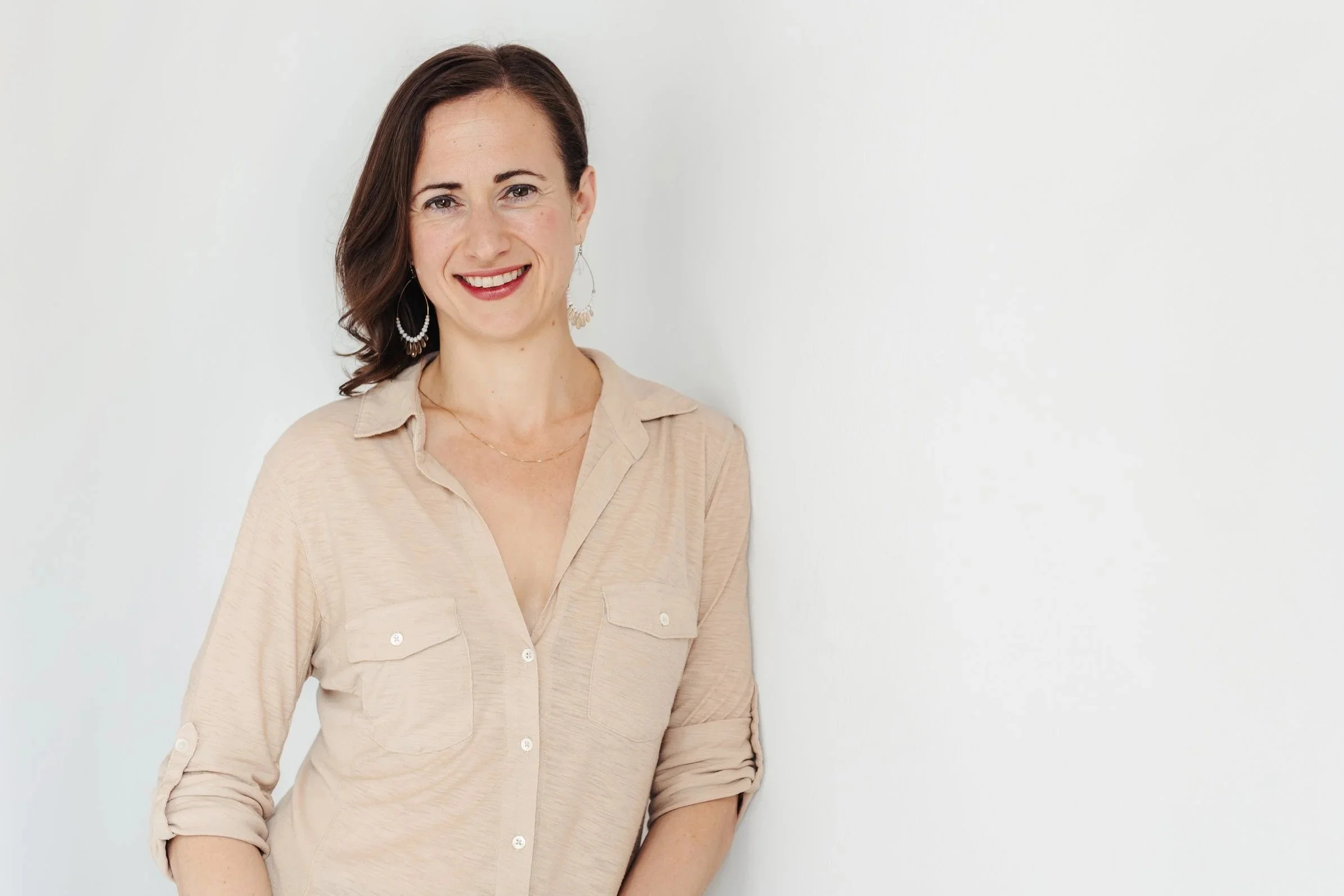
Therapy with me is deeply relational. I show up as a real person: curious, warm, and willing to go to the hard places with you. The approach draws on Emotionally Focused Therapy, mindfulness-based practices, and narrative therapy. The focus is never only on what feels broken - your innate resilience and what's already working matter too.
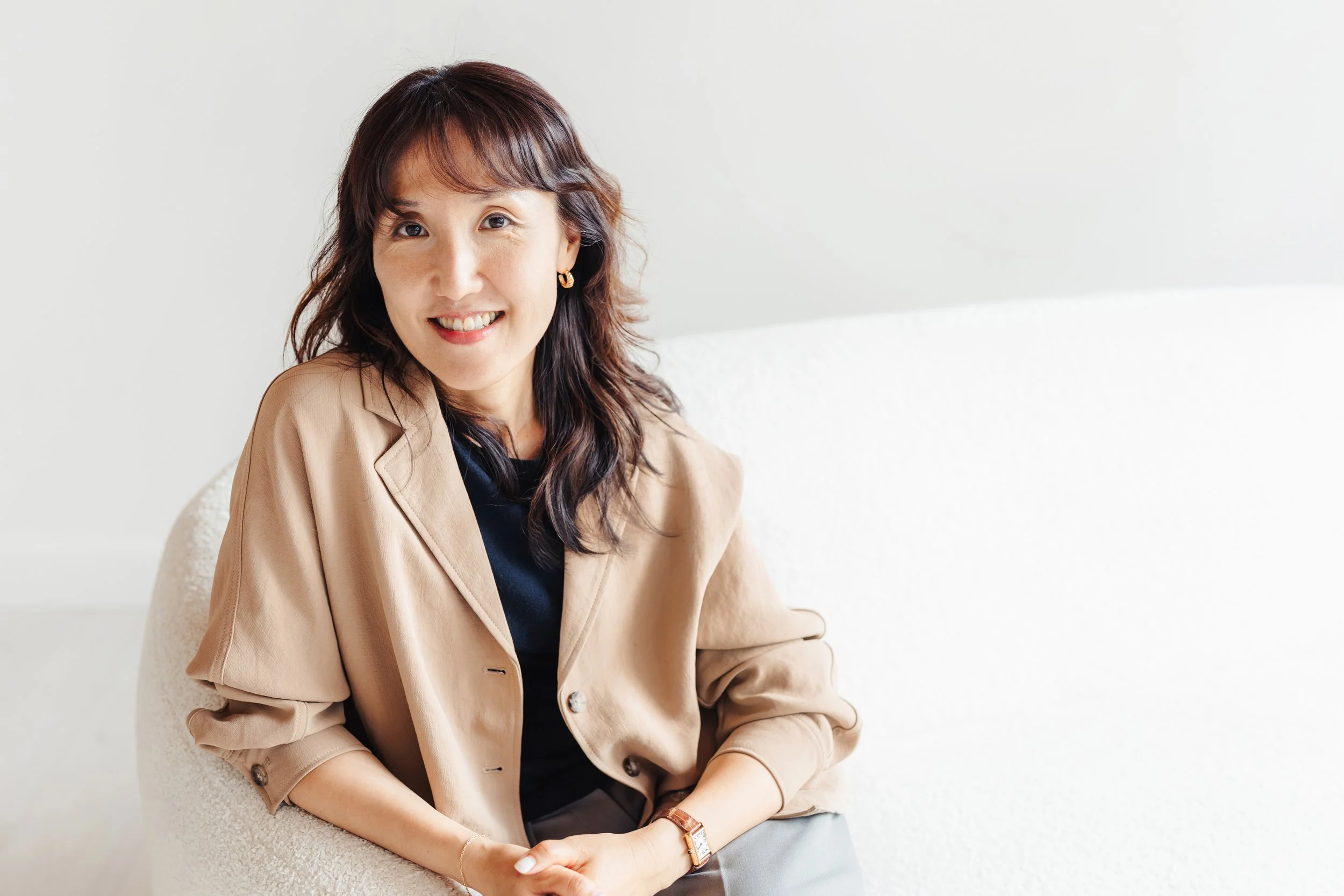
Elise is a counseling intern currently completing her Master’s degree in Clinical Mental Health Counseling at Seattle University. As a Korean immigrant who has lived between cultures, Elise brings warmth and cultural sensitivity to her work with clients navigating burnout, life transitions, grief, and identity questions.
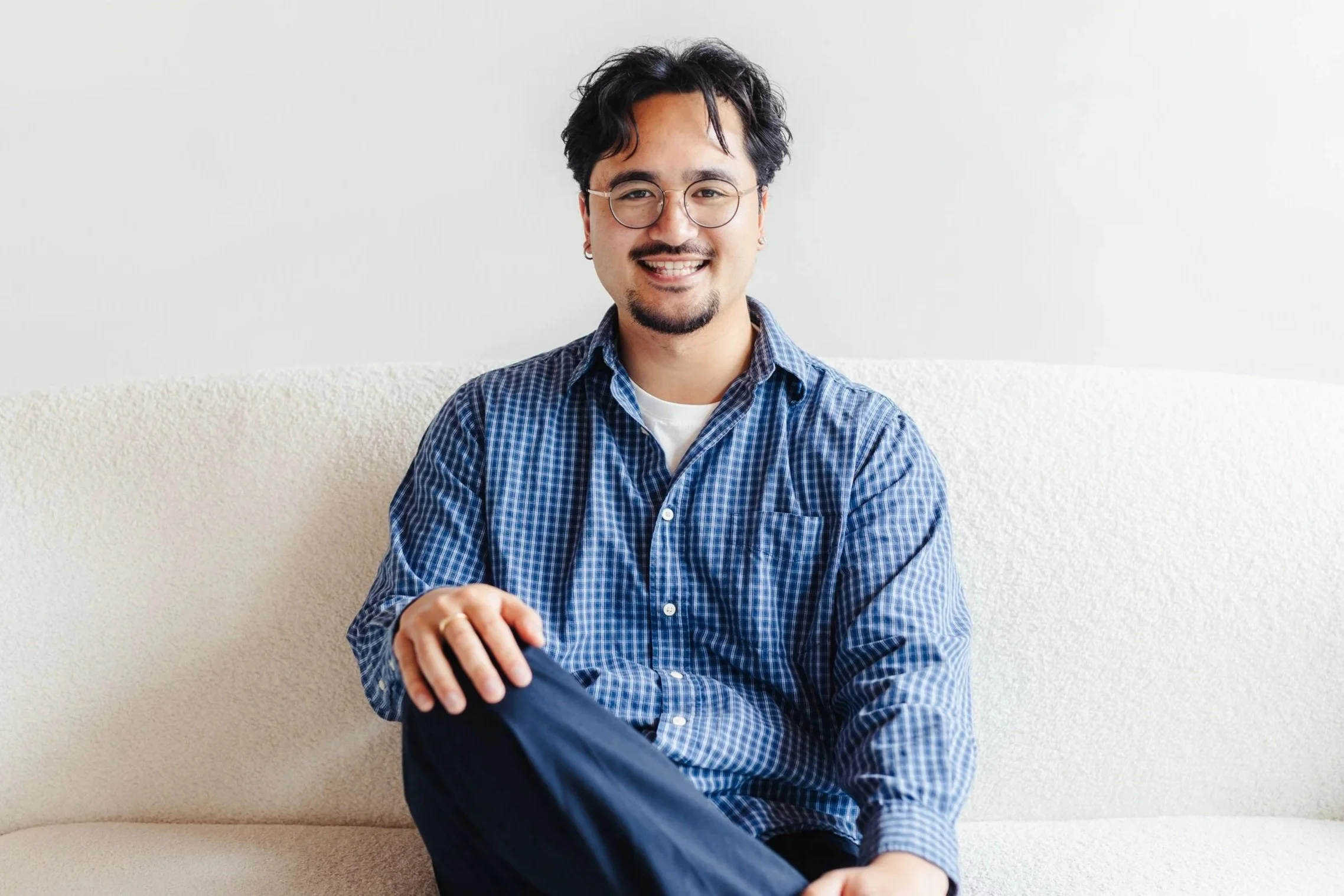
Mark helps couples and individuals communicate effectively and become better connected to themselves and their romantic partner(s). He has a passion for working with multiracial couples and men of color. He has a particular interest in challenges associated with identity and worldview, life transitions, and self-esteem/confidence.

Brian works with adults who are experiencing anxiety, depression, life transitions, and addiction. He has over 30 years of experience in the mental health field, working with people from diverse walks of life. His approach is guided by patience, curiosity, and compassion.

Kathy works with individuals and couples to navigate life transitions, cope with anxiety, depression, grief and loss, and explore issues around faith and spirituality. She specializes in working with people living with chronic health conditions and parents coping with a child’s diagnosis of a developmental difference. Kathy loves helping clients increase self awareness and make meaning in their life.

Sam works with individuals—especially LGBTQ+, Neurodivergent, and abuse survivors—dealing with trauma, loss, shame, self-esteem issues, and identity struggles. His focus often lies in helping clients understand and accept themselves, while fostering deeper connections with others.

Ahreum believes therapy is a collaborative process where you can work to uncover the strengths and resources you already possess. She works with individuals and couples who are navigating life's transitions and challenges, whether managing anxiety, coping with depression, or seeking to improve relationships.

Hannah works with children, teens and families navigating a variety of adverse experiences including relationship challenges, life transitions, trauma, depression, and anxiety. She loves helping her clients become more grounded, connected, and empowered.

Stephanie believes deeply in the importance of healthy relationships and is passionate about guiding couples and individuals through relationship challenges. She offers compassionate support to help clients strengthen their connections with themselves and others while fostering deeper self-awareness. Drawing from an attachment-based approach, she brings a gentle, empathetic, and curious mindset to her practice.

Gabe helps individuals and couples better understand themselves and their relationships in order to cultivate a more intentional life. He enjoys working with a diverse range of clients, but mostly adults navigating depression, anxiety, perfectionism, burnout, and life transitions.
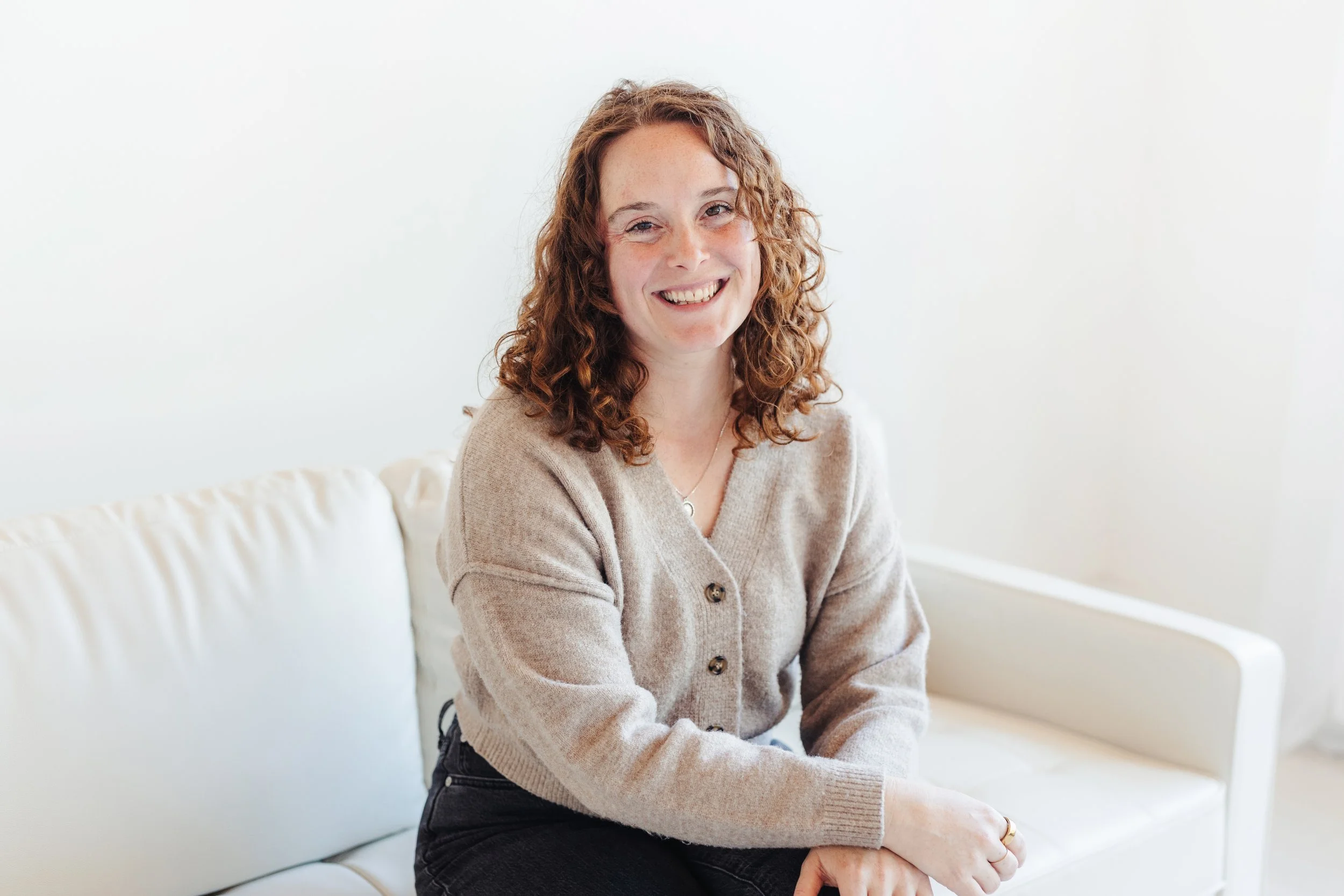
Sadie supports adults and adolescents who are experiencing anxiety, life transitions, depression, trauma and PTSD, grief and loss, aging, chronic pain, and women’s issues. She helps people orient towards their body’s innate wisdom and find more connection, bridging the gap between the body and the mind.

Aaron Kapin is a Somatic Experiencing Practitioner, and is passionate about using his training to help people lower their anxiety levels, improve their boundaries, and increase their enjoyment of life. Somatic Experiencing helps people step into their strength through a series of gentle, incremental nervous system exercises.

Nicole works with children, teens, adults, and families who are experiencing anxiety, depression, life transitions, interpersonal challenges, grief and loss, trauma, and women's issues. She enjoys helping individuals understand themselves better and navigate life with more compassion and empowerment.

Tychelle works with individuals and couples who are looking to explore who they are and how they can make sense of the world around them more clearly. Folks who may be experiencing anxiety and depression, or even trying to figure out if that is what they should call it. In my work with couples I look to support and facilitate health communication and individual and collective understanding.

Amisha works with individuals, couples, families and adolescents to address life's challenges. She specializes in relational issues, self-esteem, and has a passion for working with women of color. She also works with those struggling with anxiety, depression and issues arising from divorce and other relational challenges.

Kayla works with individuals living with past and present trauma, who often experience the most profound impact of this trauma in anxiety, depression, grief, and isolation. She works particularly well with people in helping professions or in caretaking roles in their relationships.

Kelly sees her clients as experts on their own lives and helps them explore their identities. She works with people experiencing anxiety, trauma, women’s issues, blocked creativity, life transitions including divorce, fertility issues, spirituality, and grief/loss.

Therapy is a space for self-exploration, healing, and growth, and Becca works collaboratively to help you uncover new perspectives and move toward the life you want. Becca specializes in working with individuals looking to address attachment wounds, to enhance communication with loved ones, and address anxiety, depression and trauma symptoms, tailoring therapy to your unique needs.

Josh is a therapist who specializes in helping individuals and couples navigate relational challenges, grief, and the lasting impacts of harmful religious experiences. Josh has a deep passion for supporting men and LGBTQIA+ clients, helping them move through obstacles with compassion and curiosity. He’s here to walk alongside you as you find your way back to yourself.

Emily has experience serving kids, teens, and adults through grief and loss, trauma, and major life transitions, including menopause, empty-nesting, and career changes. She particularly enjoys supporting people who might identify as “late bloomers” and are exploring the deeper life questions about purpose, meaning, and choice.

Erin specializes in working with people who feel stuck in negative beliefs about themselves, live with high levels of shame, or have experienced abuse. Erin believes that whatever suffering you experience is valid, and there is no expiration date to start the healing process.

Emily works with adult and adolescent individuals experiencing issues with anxiety, depression, executive dysfunction, life transitions, self-worth, boundary-setting, and those undergoing relationship issues and attachment trauma. Her practice is rooted in a person-centered approach, informed by polyvagal theory, somatic techniques, and DBT tools.

Kristen sees her clients as experts on their own lives and writers of their own stories. She has experience working with people who are experiencing anxiety, depression, life transitions, aging, grief and loss, eating disorders, trauma, and women’s issues.

Dan works with individuals and couples who are experiencing anxiety, depression, and ambiguity or apathy in decision-making or roadblocks in intimacy. He has a particular interest in grief and loss, high-functioning anxiety, perfectionism, and men’s issues and masculinity.

Rachel works with women who experience high anxiety and panic attacks, have a history of trauma or neglect, and feel disconnected from their bodies. She believes in a Body + Brain approach to healing, informed by neuroscience.