
The Courage to Ask for Help
The tension between strength and vulnerability has been a big part of my journey, both personally and professionally. In many ways, working in mental health has been my way of pushing back against some of the unhealthy masculine attitudes that were common where I grew up. Men are often taught to hide their emotions, to tough it out, to measure strength by how little help they need. But that kind of toughness can become a mask that keeps people lonely and disconnected.
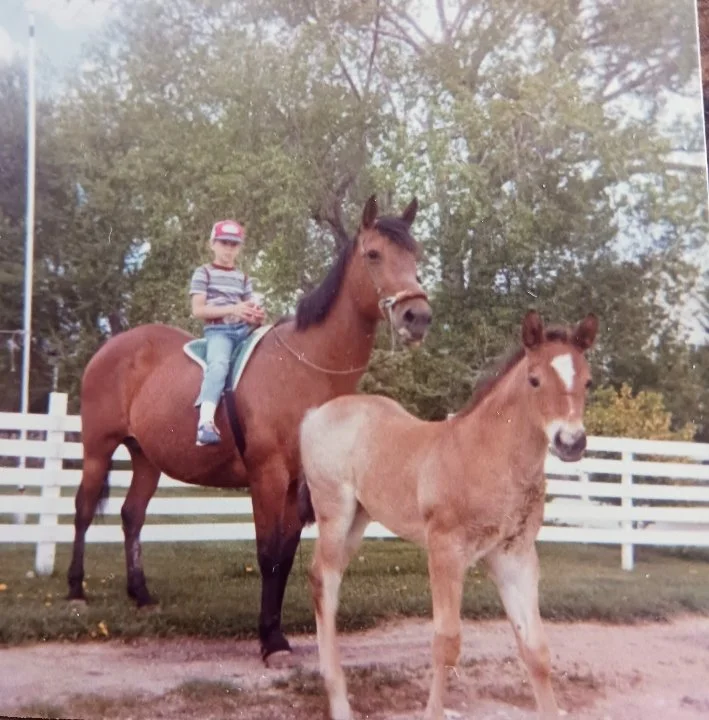
I grew up in Sheridan, Wyoming, a small town nestled up against the Big Horn Mountains. We had horses growing up, and much of life revolved around that kind of work—brandings, fence repairs, and long days outside. My dad handed down his cattle brand to me years ago. He’s a leatherworker and even made me a saddle once. Those are the kinds of things that mean something in our family: craftsmanship, care, and work done by hand.
It was a special way to grow up, though I didn’t realize it at the time. I had the kind of access to the outdoors that many people have to pay for. It was just there at my fingertips. As a kid, I took that for granted, but later I understood how grounding it was to be surrounded by space and sky.
Still, I don’t really identify with the version of cowboy culture that’s often romanticized today. The way it’s portrayed in music or media doesn’t reflect who I am or what I value. My Wyoming roots taught me the importance of humility and hard work, but they also showed me how easily independence can turn into isolation.
I’ve seen that pattern of isolation play out in my work for decades. I started in the mental health field more than thirty years ago, long before going back to graduate school. My first job was at a community mental health center in my hometown. I began as a volunteer and eventually moved into a paid role working with people living with serious mental illness. Many were coming out of or going into state hospitals.
Brian McKenzie
It was hands-on work. I helped with daily living, shopping, and appointments. It gave me a window into how invisible this population often is. Unless someone stands out for the “wrong” reasons, most people don’t see them at all. But they are still people, full of humor, depth, and courage.
That work taught me to meet people where they are, to listen before trying to fix, and to see the human story behind the struggle. Later, when I worked for a district attorney’s office in Colorado, I helped run a diversion program for first-time offenders. These weren’t hardened criminals. They were people who had made a mistake; someone who skimmed a little money from their company because they couldn’t pay rent, or a single mom who used a credit card that wasn’t hers to buy food and diapers.
Beneath the surface, the same pattern kept showing up. These were people who couldn’t bring themselves to ask for help.
That inability isn’t limited to people in crisis. I see it every day in therapy. So many of my clients come to me feeling stuck. They say, “I’m not myself anymore,” or “I don’t enjoy things the way I used to.” They’ve fallen into patterns that no longer serve them, but change feels too risky. They think, “If I were stronger, I could figure this out on my own.”
Our culture values independence, productivity, and self-reliance. But those same ideals can make it hard to reach out.
I once talked with a man who hired a stranger on an app to take care of his dog rather than asking a friend to help. When I asked why, he said it felt too vulnerable to ask someone he knew. That story stays with me. It’s easier to maintain the illusion of self-sufficiency than to risk being seen as needing something. But that illusion keeps people isolated.
In my time as a therapist, I’ve worked with men’s groups both in Colorado and here at Self Space. It’s been powerful to witness men dropping their guard, sharing stories they’ve never said aloud, and realizing they aren’t alone. I believe gender equality moves forward when men become more comfortable taking off that mask of toughness, inviting a shared liberation from rigid, confining roles that limit us all.
True strength isn’t about silence or endurance. It’s about connection, humility, and the willingness to let others in.
Sometimes I think about those quiet Wyoming fields, the ones near the HF Bar Ranch where my family’s land bordered the stream. I remember fishing there as a kid and how the stillness of that place could make the whole world feel both vast and close.
Back then, I thought strength meant not needing anyone. Now I see it differently. Strength is being able to look someone in the eye and say, “I can’t do this alone, please help me.”
That’s where healing begins.