
Is Anyone Coming to Dinner? Why So Few of Us Are Having People Over
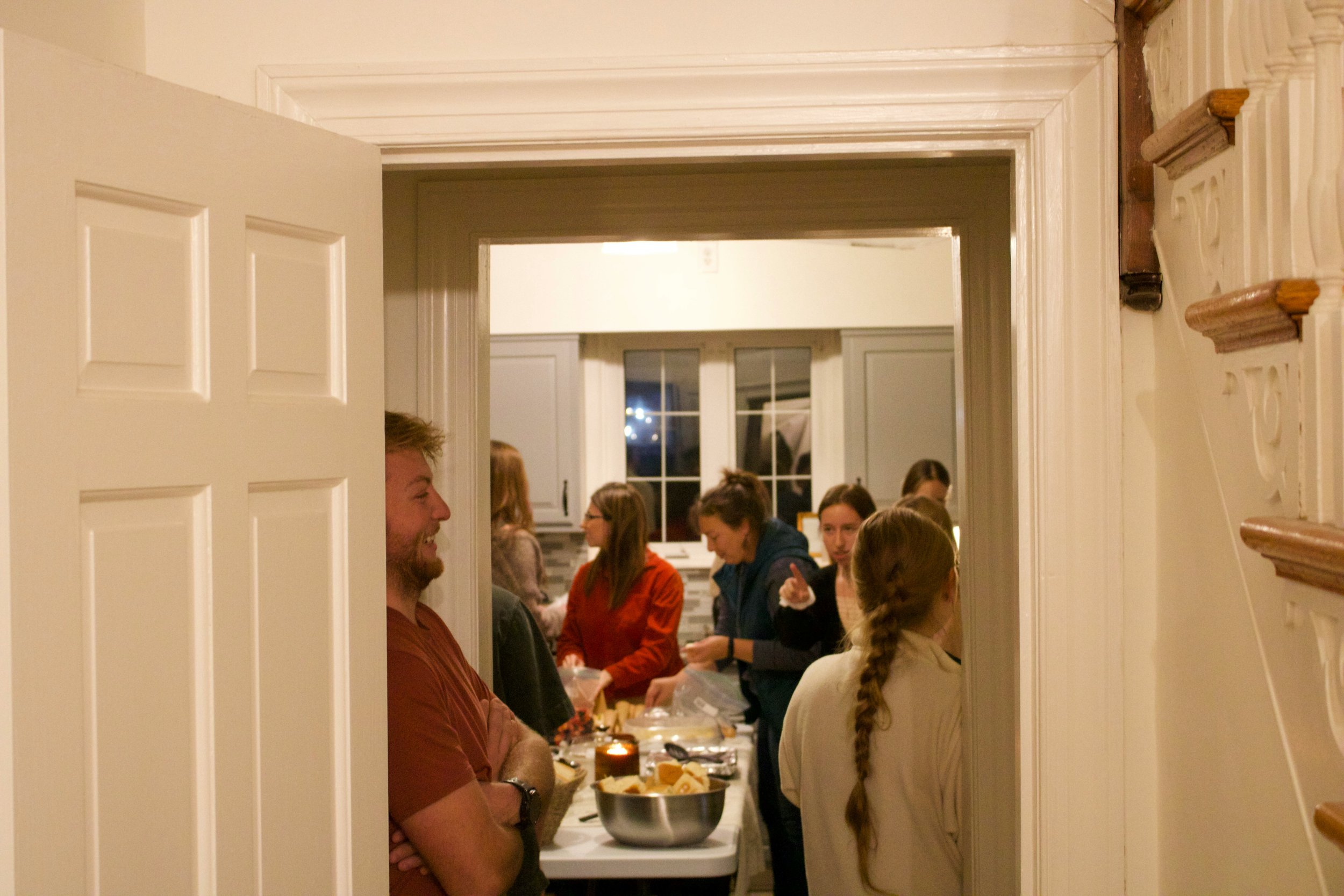
There’s a line in a recent piece by Derek Thompson that has stayed with me. He writes about the “death of the American host,” and his data is hard to shrug off. According to the survey work he cites, the share of Americans who host friends or family at home at least once a month fell from about 42% in 1975 to about 12% in 2026.
Thompson is curious about why, and so are we. He looks at busier schedules, parenting that now takes up more hours, shrinking friend circles, and more of our free time spent alone with a screen. There’s of course the madness of COVID that left people in their homes for months, and maybe even finding they enjoyed the slower pace. Each of these makes sense on its own. Together, they paint a picture of a country that has quietly stopped coming over.
“The desire for belonging is still very much alive. It just needs a little more attention, and a little more permission to try”
If you’ve felt this, you’re not imagining it. In our therapy rooms, we hear some version of the same thing: “It’s hard to meet people,” or “I’m stressed and I don’t have time for my friends.” Some people say they feel less connected than they used to. Others describe the effort of reaching out as bigger than it should be, or a low hum of worry about bothering someone. Many just say they’ve stopped trying, and that feels lonelier than they expected.
We don’t think this is a personal failing. Most of us were never taught how to build friendships as adults. We were busy, then we were tired, then the group chat went quiet and we weren’t sure who to text first - and kind of just wanted to turn on a tv show anyway. Plenty of people feel more anxious than they did a decade ago, and more alone inside that anxiety.
Here’s what we keep coming back to. Connection isn’t a bonus for people who have time to spare. People are built to regulate alongside other people. When someone we trust is nearby, our bodies often settle. Strong relationships touch nearly every part of us: how we sleep, how we handle pressure, how we recover after a hard day, and how we feel about ourselves. Losing them slowly affects all of that and can be a part of the burnout cycle.
So what would it look like to start hosting again, even a little? Does that word immediately bring a sense of pressure? Maybe you need a new word - or to give yourself permission to invite people into our real life, not a picture-perfect one.
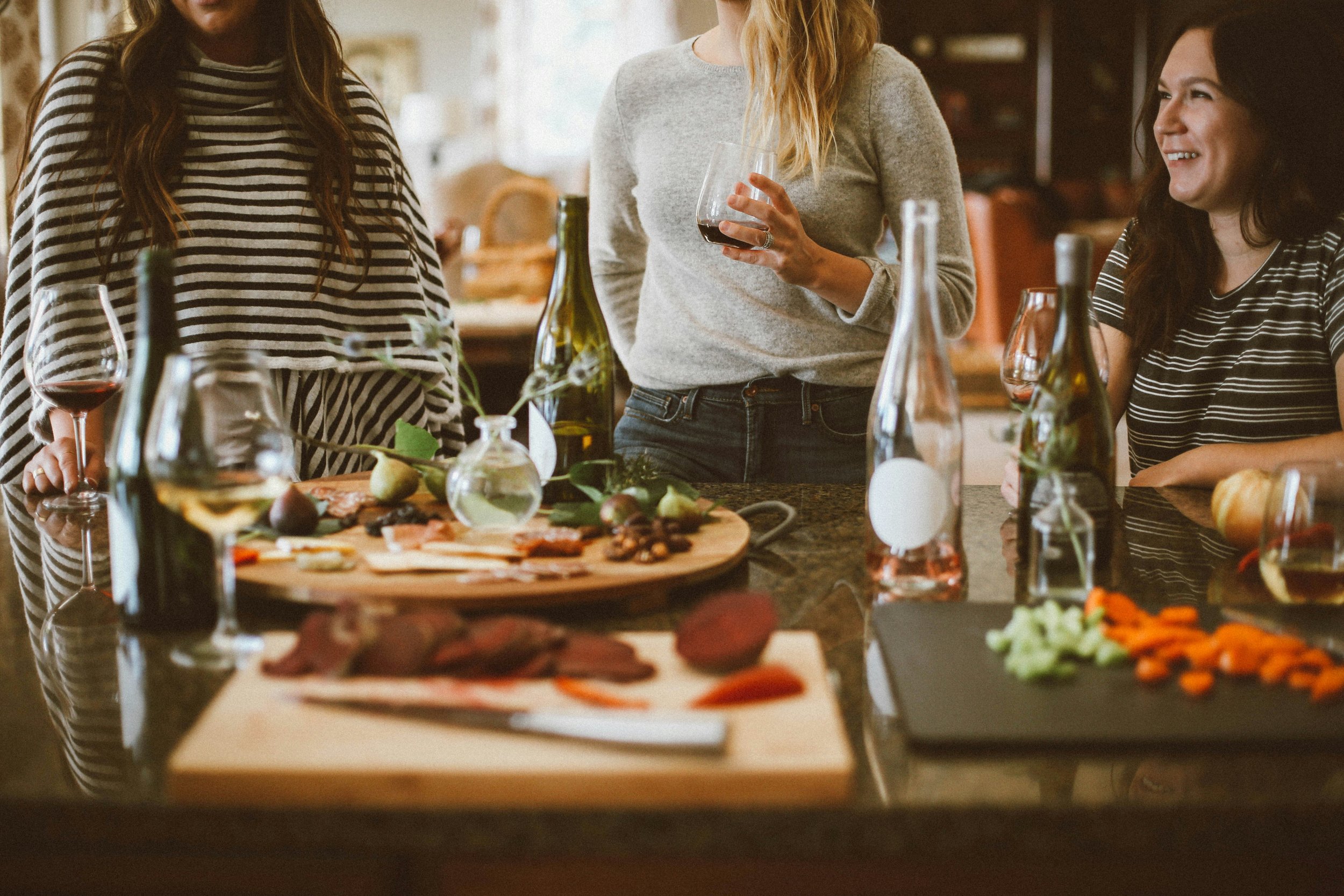
Maybe it’s smaller than a dinner party. Maybe it’s a standing Thursday coffee with the same two people. A potluck where the house is messy and no one minds. A text that says, “Come as you are. I’ll put a pot of chili on.” The goal isn’t perfect hospitality. It’s giving each other a reason to show up. Rest assured that 88% of people aren’t getting this invitation, and maybe really want one.
We’re curious about this, and we’re also hopeful. The desire for belonging is still very much alive. It just needs a little more attention, and a little more permission to try.
At Self Space, we help people work on this in individual, couples, family, and group therapy. If you’re finding that the people around you feel farther away than they used to, you don’t have to figure it out alone.
Related Reading:
Connect to our Matching Specialist to find a great fit for you or for the person you love.