
The Self Isn’t the Enemy
Therapist Josh Saunders on faith, grief, and learning to trust the wisdom within.
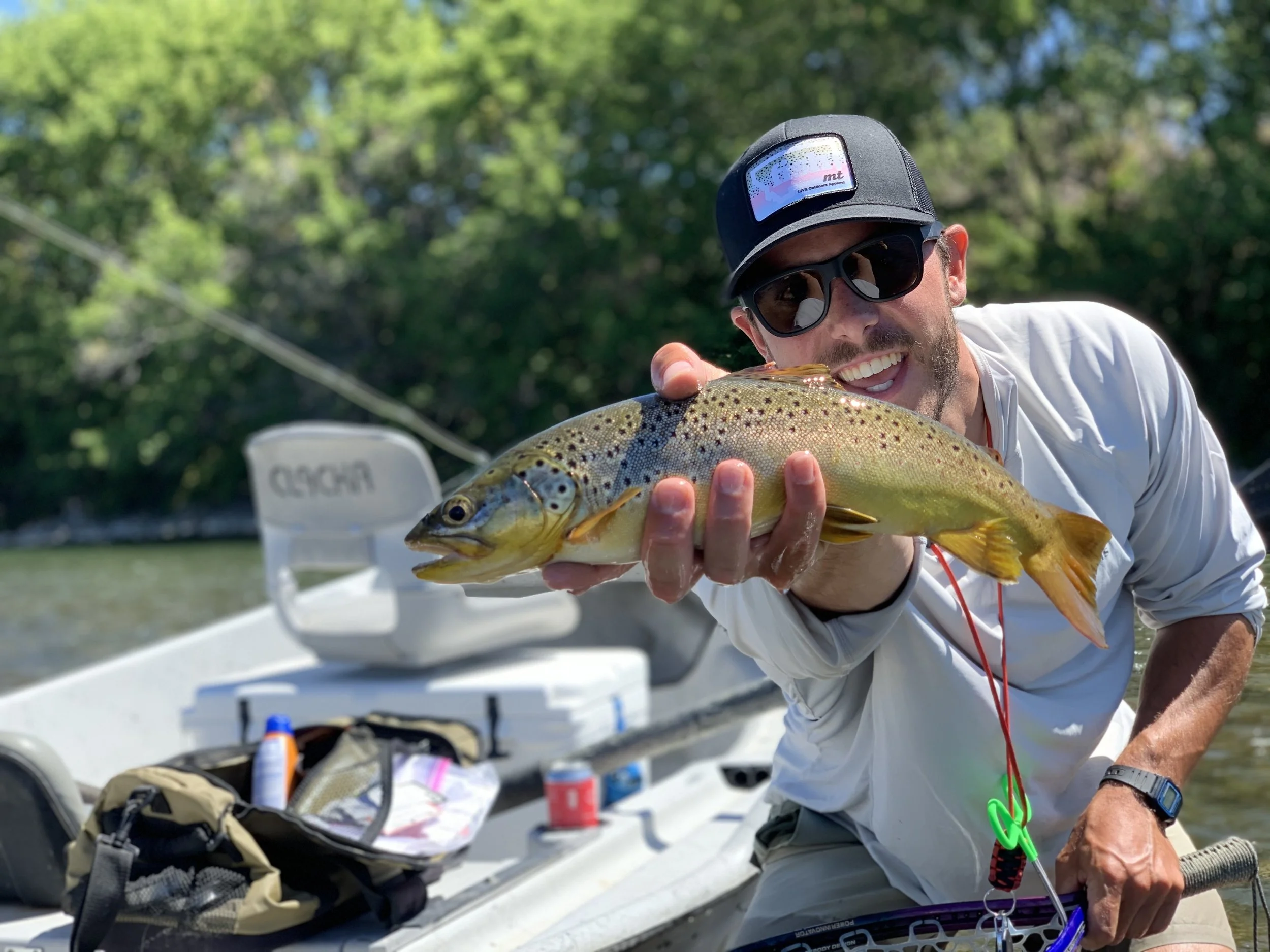
I grew up in church. My first career was in ministry, working in a nonprofit and serving people who were trying to make sense of life. In many ways, it made sense for who I was: someone who thought deeply about purpose, spirituality, and meaning. But eventually, it stopped working for me.
When the external structures of faith began to crack, I felt untethered. I took jobs that were about serving and connecting, working as a barista and as a fly-fishing guide in Montana, hosting people who needed rest from their busy lives. What I realized through all of it was that I loved being with people when they were slowing down, when they were honest, when they were searching. That’s what led me to therapy. It felt like the natural next step.
In the therapy room, my job is to get to know people - really know them - and to understand what it means to be them. We sit together and look at the whiteboard of their life. We trace patterns, relationships, and stories that have shaped how they move through the world. I’m not there to fix anyone. I’m there to help them reconnect to their own wisdom.
That’s often a radical shift for people who grew up in rigid or religious environments. The focus was always external. Meaning, worth, and goodness came from outside of you. Your job was to conform, obey, and sacrifice. Even your suffering was supposed to prove your faith.
“ The self isn’t something to overcome. It’s something to come home to.”
Therapy offers something different. It invites you to turn inward. To ask, What do I feel? What do I know? What happened to me? There’s a deep honoring of the self that’s been missing for so many people. We begin to discover that intuition - the quiet inner voice - isn’t dangerous or sinful. It’s sacred. It’s the compass.
So much of my work is helping people dismantle the belief that their desires are bad, that their pain needs to be transcended, or that love must be earned through self-erasure. In faith traditions, grief and loss are often bypassed with phrases like “they’re in a better place.” It’s meant to comfort, but it denies the raw ache of being human.
Grief isn’t something to overcome. It’s something to be with. When we can name it, feel it, and stay close to it, it shapes us in honest ways. It teaches us that the self - this tender, emotional, aching self - isn’t the enemy. It’s the doorway.
At the heart of all of this is relationship. The one we build in therapy becomes a microcosm of every other connection. It’s where people get to practice being real and still experience safety. That’s where healing happens.
When I think about the cultural moment we’re in, I see a longing for connection without control. You can feel it at rallies, in movements, in any place where people gather for something bigger than themselves.
That’s the piece of faith worth keeping. The communal heartbeat.
We learn to let go of the part that told us our worth had to come from somewhere outside our own soul.
The self isn’t something to overcome or diminish. No. It’s something to come home to.